


A plastic spoon's worth of tiny fragments, quietly accumulating inside the human brain. That image is no longer science fiction....
The Loneliness Paradox: Memory Deficits Without Accelerated Decline
 Does loneliness cause dementia? A new study shows that while lonely seniors have poorer memory at the start, their cognitive decline follows the same trajectory as non-lonely peers.
The attacks on Sam Altman are a warning for the AI world
Before allegedly throwing a Molotov cocktail at OpenAI CEO Sam Altman’s home, the 20-year-old accused attacker wrote about his fear that the AI race would cause humans to go extinct, The San Francisco Chronicle found. Two days later, Altman’s home appeared to be targeted a second time, according to The San Francisco Standard. Only a […]
Ouster releases Stereolabs ZED X Nano wrist-mounted camera
Ouster’s ED X Nano camera mounts directly onto robotic wrists and end-of-arm tooling, where every millimeter matters.
The post Ouster releases Stereolabs ZED X Nano wrist-mounted camera appeared first on The Robot Report.
Privacy advocates want Google to stop handing consumer data over to ICE
The Electronic Frontier Foundation (EFF) is asking the attorneys general of California and New York to investigate Google for deceptive trade practices, saying the tech giant fails to notify users before handing over their data to law enforcement agencies like ICE. “For nearly a decade, Google has promised billions of users that it will notify […]
Philippines launches broad crackdown on deepfakes as AI drives identity fraud surge
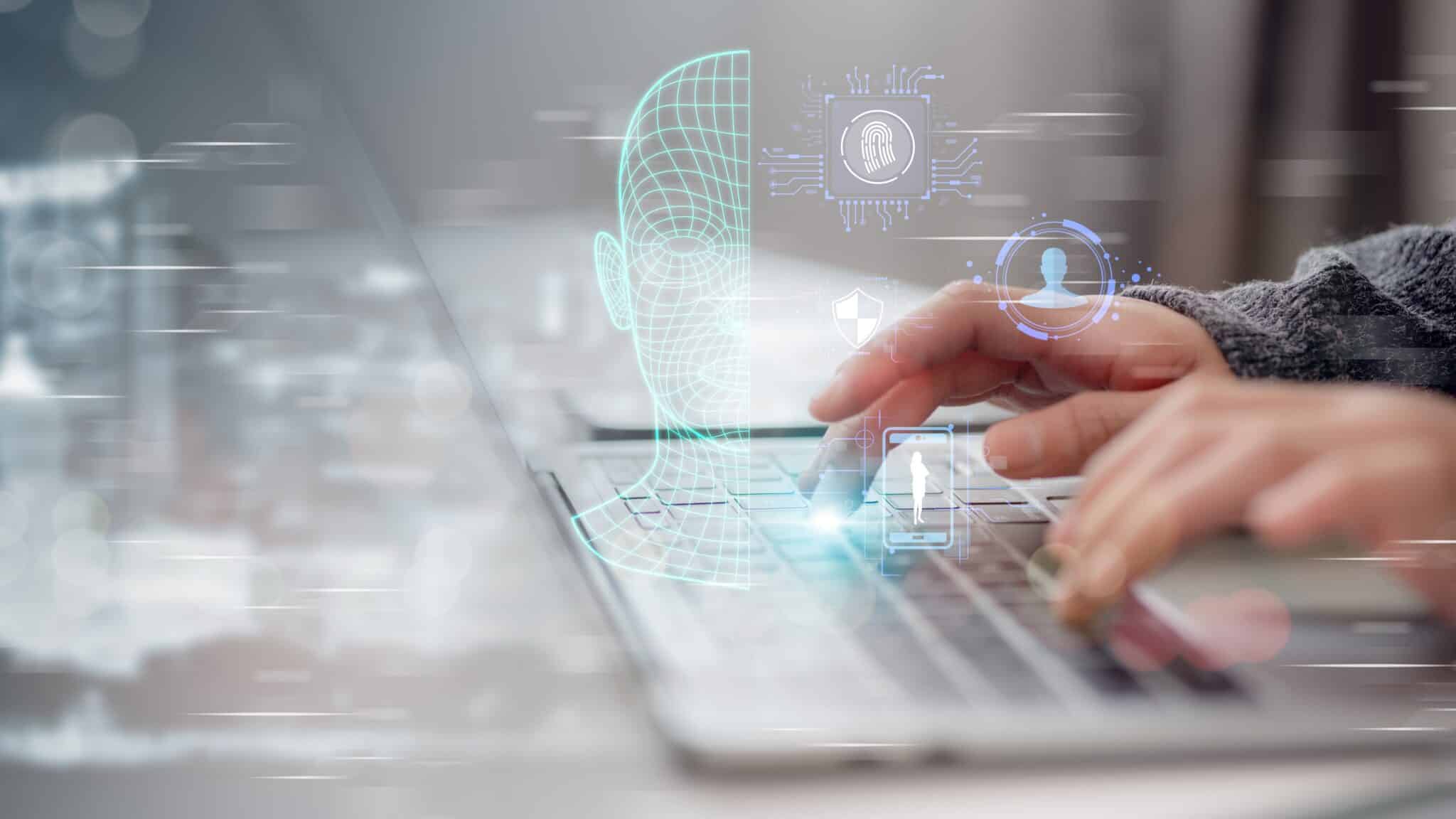
In the war against fakery, the Philippines is on the frontline as it launched a coordinated, whole‑of‑government campaign against disinformation, deepfakes and digitally manipulated media.
The government has signed a memorandum of agreement (MOA) that formalizes joint action by the Department of Justice (DOJ), the Presidential Communications Office (PCO) and the Department of Information and Communications Technology (DICT).
The government is launching the initiative in response to a sharp rise in global threat levels. iProov processed more than one million daily authentication checks in 2025 as enterprises confront synthetic identity attacks driven by generative AI, and is deployed in the Philippines and Vietnam.
The company cited Gartner research showing that 62 percent of organizations experienced a deepfake attack in the past year, underscoring how identity manipulation has become a primary entry point for cybercriminals.
iProov’s threat intelligence unit recorded a 2,665‑percent surge in native virtual‑camera attacks and a 300 percent rise in face‑swap attempts last year. Separate research found that only 0.1 percent of consumers could reliably detect deepfakes, reinforcing concerns that the public is increasingly vulnerable to AI‑generated deception.
DOJ Secretary Frederick Vida, PCO Secretary Dave Gomez and DICT Secretary Henry Aguda signed the MOA at the DOJ headquarters in Manila, establishing an inter‑agency framework intended to protect public safety and national security from malicious information operations.
The PCO will lead public information efforts, the DOJ will oversee legal enforcement, and the DICT will provide technological support, cybersecurity capabilities and monitoring systems.
Vida described the MOA as a “pivotal step” in defending the country from digitally mediated falsehoods, warning that deepfakes and coordinated disinformation campaigns can erode trust, sow division and trigger confusion during critical events. He stressed that the government will distinguish between criminal disinformation and constitutionally protected speech.
Aguda said the DICT will focus on cybersecurity, digital infrastructure and coordination with technology platforms, including tools that allow citizens to report false content. “This is no longer just a rumor. Now, lies can look real,” he said, referring to the rapid spread of deepfakes.
AI and deepfakes are warping public safety in Southeast Asia
For the Philippine government, the new MOA signals a recognition that combating disinformation now requires legal, technological and communications strategies working in tandem — and that the threat landscape is being reshaped by AI at unprecedented speed.
Dominic Forrest, iProov’s CTO, spoke on the urgency in an interview with Cybersecurity Asia. “AI‑driven deepfakes and synthetic identities are no longer theoretical risks,” he told the publication. “They are being actively weaponised to move money and take over accounts.”
He noted that the problem is especially pronounced in Southeast Asia, where explosive digital growth is outpacing regulatory maturity. With millions of new users enrolling in mobile banking, e‑government services and online marketplaces each month, the region has become a prime target for fraudsters leveraging synthetic media and AI‑powered identity attacks.
iProov’s Security Operations Center (iSOC) observed live operations of Grey Nickel, a group that systematically targeted organizations in the Asia-Pacific region. The fraudsters employed advanced face-swap technology, metadata manipulation and injection techniques aimed at bypassing single-frame liveness-based verification systems used by banks and payment platforms.
Forrest says regulators and financial institutions in Asia need to move away from traditional active liveness checks, which generative AI can now mimic with convincing ease. These methods are also powerless against injection attacks, where fraudsters bypass the camera entirely. He argues that passive liveness — such as iProov’s Dynamic Liveness technology — offers a more resilient alternative.
iProov’s technology has gained traction across government and finance including deployments with UnionDigital Bank in the Philippines, Vietnam’s MoMo platform and Raiffeisen Bank in Czechia.
Inhibitory Neurons Drive Rhythmic Movement
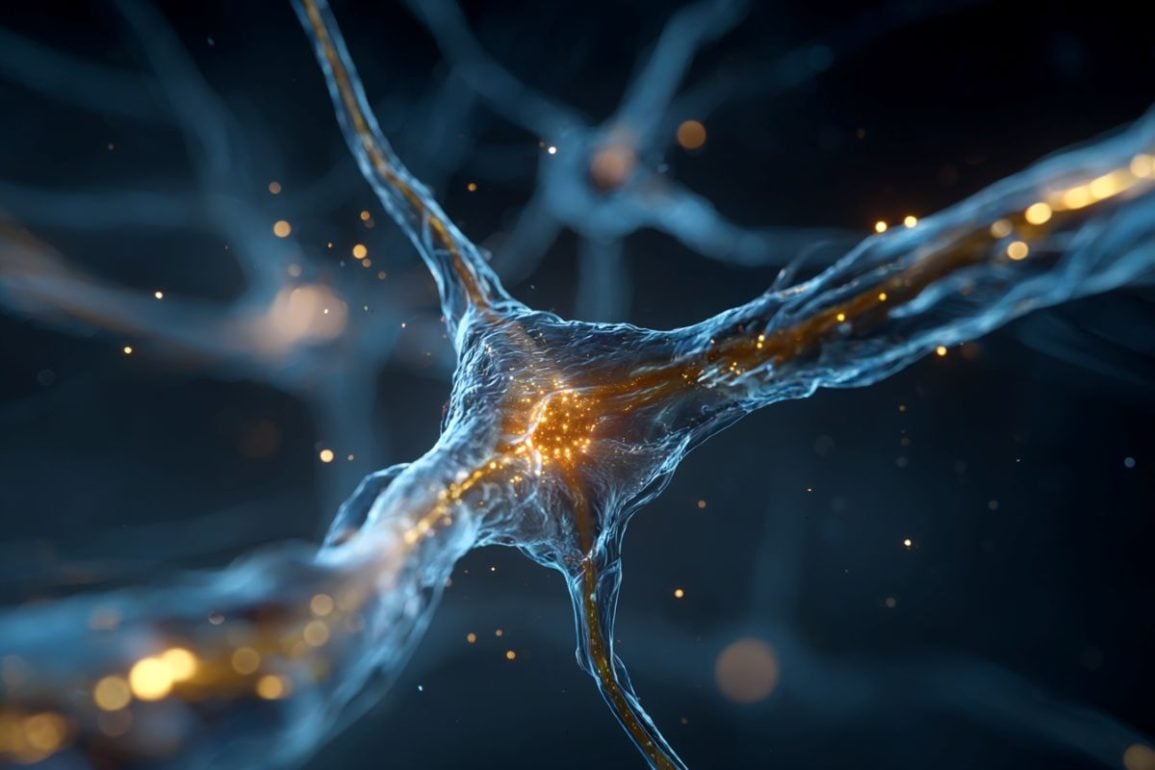 How do fruit flies move? A new study reveals that inhibitory neurons, traditionally seen as “brakes,” coordinate the rhythmic grooming motions of Drosophila by toggling muscle inhibition.


