Category: Science
AI-Powered Bionic Hand Restores Natural, Intuitive Grasping Ability

 A new study shows that integrating artificial intelligence with advanced proximity and pressure sensors allows a commercial bionic hand to grasp objects in a natural, intuitive way—reducing cognitive effort for amputees. By training an artificial neural network on grasping postures, each finger could independently “see” objects and automatically move into the correct position, improving grip security and precision.
Key Brain Protein Controls How We Learn Reward Cues

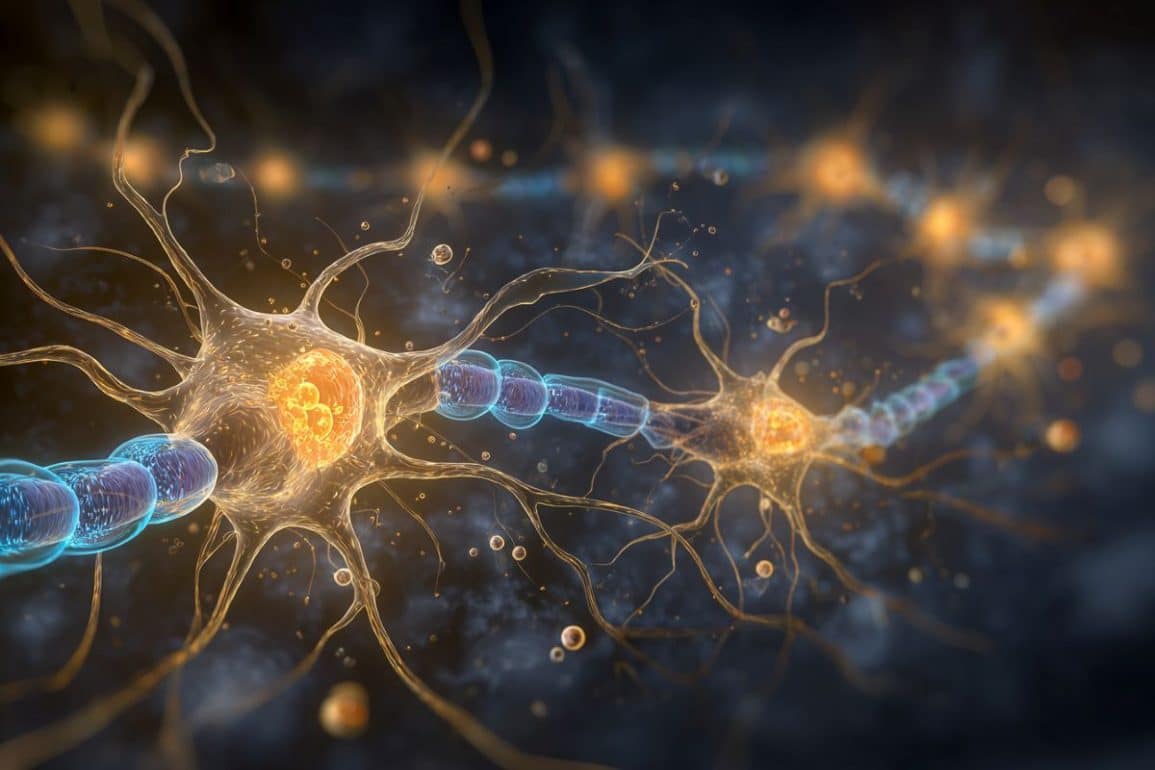 Changing levels of the brain protein KCC2 can alter how reward associations form, reshaping the learning process that links cues to outcomes. Reduced KCC2 activity increased dopamine neuron firing and strengthened new cue–reward connections, offering insight into how addictions and maladaptive habits develop.
How the Brain Interprets Sarcasm, Tone, and Hidden Meaning

 A large study of 800 adults shows that pragmatic language skills—the ability to understand sarcasm, indirect requests, tone, and nonliteral meaning—organize into three distinct cognitive clusters. These clusters draw on social-rule knowledge, understanding of how the physical world works, and sensitivity to speech intonation.
Blinking Drops When We Strain to Hear Speech

 People blink less when working harder to understand speech in noisy environments, suggesting that blinking is tightly linked to cognitive effort. Across two experiments, blink rates consistently dropped during key moments of listening, especially when background noise made speech difficult to process.
Reading Habits Predict Hidden Biases Toward Autism

 A new study shows that the newspapers people read are strong predictors of their automatic, unconscious biases toward autism—even after accounting for age, education, political views, and personal experience. Readers of right-leaning tabloid outlets showed more negative automatic biases, reflecting the more stereotyped and less frequent coverage of autism in these publications.
‘Forever Chemicals’ in Drinking Water Linked to Increased Risk of Birth Issues

 Add it to the list of problems with PFAS.