


A plastic spoon's worth of tiny fragments, quietly accumulating inside the human brain. That image is no longer science fiction....
Behind the veil: When are we entitled to unmask the anonymous?
Anonymity can help people speak truth to power or remain safely out of the limelight. But it can also be used to avoid accountability.
The post Behind the veil: When are we entitled to unmask the anonymous? appeared first on THE ETHICS CENTRE.
Kazakhstan adopts palm‑vein biometrics for banking in national deployment

Palm biometrics is getting a big boost in Central Asia as one of the world’s largest countries sees major implementation of one of the most secure biometric modalities.
Kazakhstan’s National Bank and the Agency for Regulation and Development of the Financial Market (ARDFM) have approved new rules governing how financial institutions must verify customers using state‑held biometric data.
The framework formalizes biometric login and identity checks across banking apps, remote onboarding and high‑risk financial transactions, and introduces palm‑vein authentication as a regulated modality alongside facial recognition.
The new system has banks authenticating users by comparing live biometric samples against reference templates stored in the National Bank’s Identification Data Exchange Center, according to El.kz.
Customer biometrics will be collected through secure video channels or certified biometric scanning devices and transmitted to the unified state system for verification, with a match threshold of 95 percent required for successful authentication.
All attempts will be logged and retained for at least five years, both by the state system and by financial institutions after a customer relationship ends.
Palm‑print and palm‑vein authentication are being added for the first time, enabling banks to verify users based on the vascular patterns and surface lines of the hand. The rules prohibit the use of a customer’s smartphone for palm‑based verification, requiring specialized hardware or secure terminals instead.
Users will have three attempts to authenticate, according to reporting by The Caspian Post. If palm verification fails, banks must fall back to face biometrics. The regulations also include alternative pathways for people with disabilities, such as video‑based identification or specialized assistive technologies.
Biometric verification will now be mandatory for remote account opening along with initial registration in digital banking services, and for issuing electronic digital signatures. The same applies for updating customer data, granting loans above a regulatory threshold and certain in‑branch or microfinance transactions.
Microfinance organizations will also be permitted to use biometrics for higher‑value microloans. The move follows earlier restrictions introduced in March that banned online loan issuance without biometric verification.
Alongside the regulatory rollout, palm‑vein payment systems are gaining traction in Kazakhstan’s retail and service sectors. These systems link a user’s biometric signature directly to a bank account, enabling payments without cards, phones or cash.
Kazakhstan’s adoption of multimodal, state-anchored biometrics places it among a growing group of countries using centralized identity databases to secure financial services, with palm‑vein technology now joining face recognition as a regulated authentication method.
Kazakhstani startup Biometric.Vision struck a deal to supply biometric ID services including liveness detention for customers of the National Bank of Kazakhstan in 2024. The company was one of several, along with Alaqan and Oqylyq.kz.
Kazakhstan-based startup Alaqan demonstrated a palm vein biometrics scanner which uses infrared sensors in 2024. Alaqan developed products for payments that were deployed to coffee shops and schools. More than 140 schools across Kazakhstan were using the system for meal tracking and other applications, and the company planned to roll out its technology in Georgia and Türkiye.
Palm-based biometrics is gaining ground in healthcare, payments and blockchain, and even getting standardized for automated forensics. A palm biometric identity verification system has received venture funding to tackle the threat of deepfakes and AI-generated identities.
According to recent research from Handwave, U.S. consumers are increasingly open to palm biometrics. Handwave CEO Janis Stirna talked through the possibilities of the palm on the Biometric Update Podcast, going through plans to leave a bigger handprint on the U.S. market.
The Cybertruck of e-bikes is here to replace your car
It was at about 36 miles per hour that I decided the Infinite Machine Olto is not a bike. Sure, it has pedals, you don’t need a license to ride it in most (but not all!) places in the US, and the folks at Infinite Machine assured me it is allowed in the bike lane. […]
Hunter-Gatherer Genes Reveal the Hidden Power of Human Smell
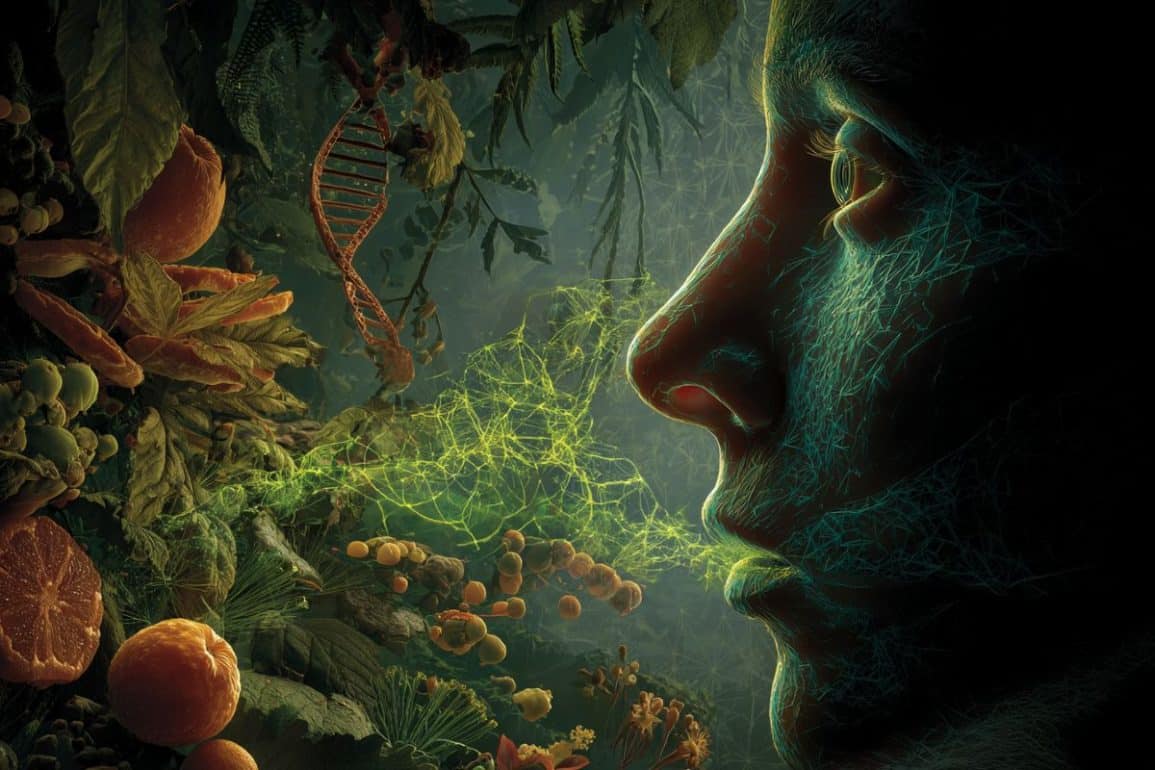 A new genetic study of Malaysian Indigenous populations shows that hunter-gatherers have preserved “super-smell” genes to navigate rainforests, while agriculturalists’ smell genes have adapted to manage high-carb diets.
Stressed Out? Diverse Gut Bacteria Might Be to Blame
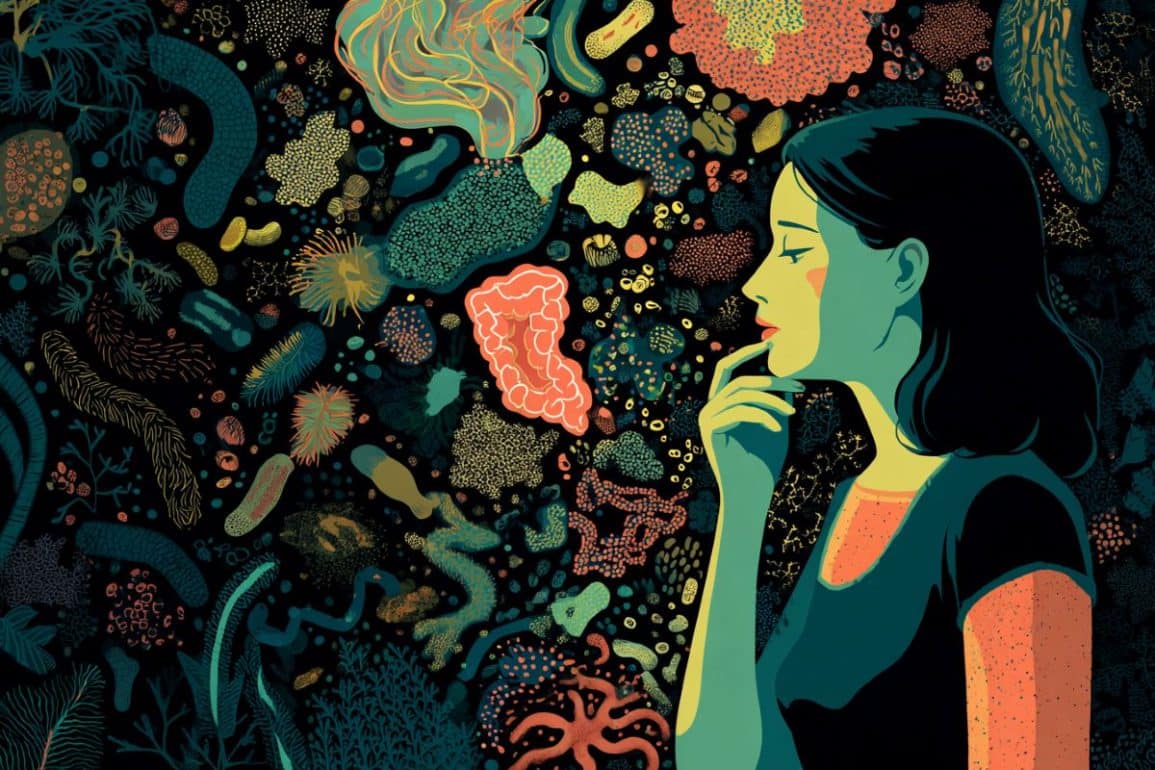 High gut microbial diversity is associated with stronger, more flexible stress responses in humans, highlighting the role of bacterial metabolites like butyrate and propionate.
High-Dose Folic Acid Slashes Birth Defect Risks
 Women on antiseizure medication can reduce their child’s risk of birth defects by 45%, but only if they start high-dose folic acid before getting pregnant.


