


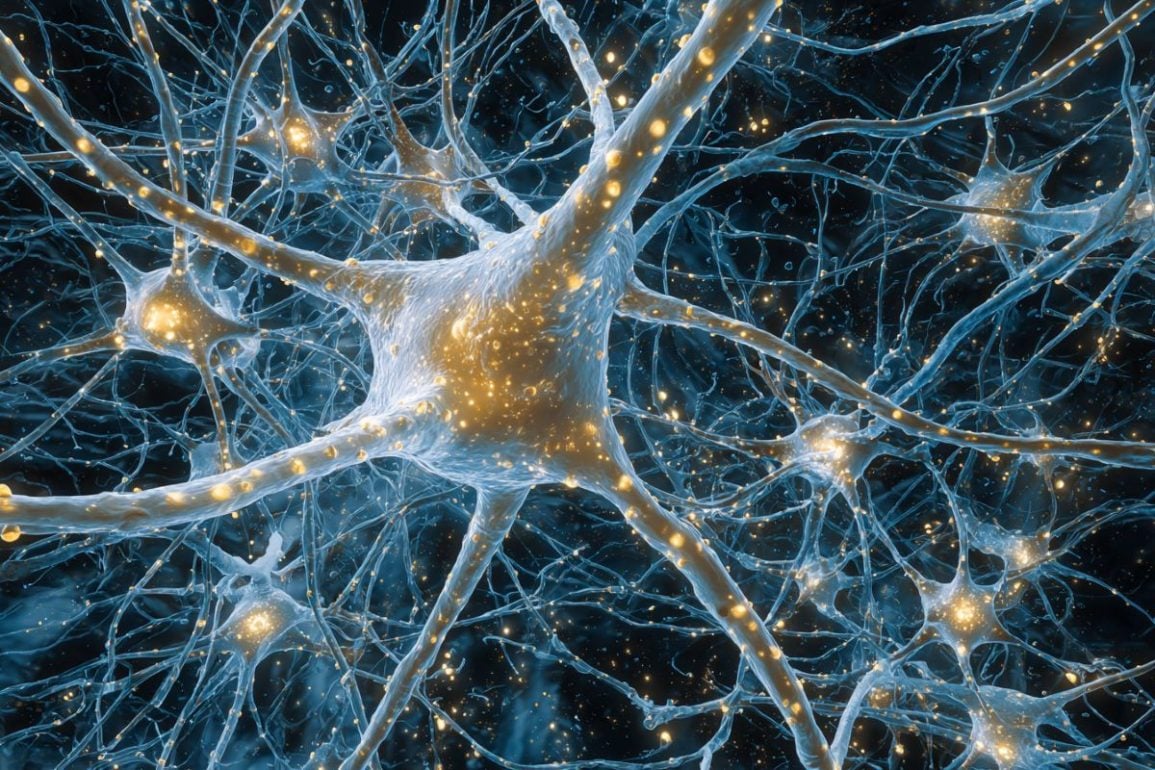
 A serendipitous discovery reveals that potassium ions act as ligands for brain receptors, offering new insights into epilepsy and brain homeostasis.
Category: #Technology
Palantir Posts Very Long X Post Denouncing ‘Vacant and Hollow Pluralism’
Best case scenario: maybe Palantir is super psyched about abundant and solid pluralism.
Gender gaps threaten progress on global legal identity goals, Vital Strategies CEO warns

As countries work toward universal legal identity under SDG 16.9, greater focus on gender inclusion is needed to ensure women and girls are not left behind.
That is the message from Mary-Ann Etiebet, President and CEO of Vital Strategies, who argues that legal identity systems must be designed to reach those most at risk of exclusion.
In a recent paper, Etiebet acknowledges global progress in birth registration, but highlights persistent gaps in Sub-Saharan Africa and the disproportionate impact on women and girls.
“The consequences of remaining unregistered and unrecognized fall hardest on girls,” she writes and that “inequities follow girls into womanhood, limiting their rights and benefits, including marital protections such as spousal support or inheritance, financial inclusion, voting, and universal health coverage.”
According to Etiebet, one of the action points governments must engage as they pursue their legal and digital identity plans is to make sure everyone is counted, and the best way to do so is to digitize birth registration systems to make them accessible even to people in the remotest communities.
Etiebet goes on to say that digitizing birth registration is not enough at this point. To her, countries must go a step further by linking these civil registration systems with their national identity ecosystems in an integration move that can make identity management more sustainable.
Thailand and Vietnam are cited as good global examples in the integration of birth registration and national ID. With regard to African countries, she mentions the likes of Ethiopia, Kenya, and Rwanda, where efforts in this regard are said to be far advanced.
In Rwanda, for instance, Etiebet praises how the country saw a massive jump in birth registration from 63 percent in 2016 to 94 percent two years ago, following the digitization of the process. The country has also made efforts in linking children’s health data to their identity registration details so that primary health workers can easily follow up on things like routine vaccination schedules.
To better remove barriers to inclusion, Etiebet also urges countries to make digital ID a part of digital public infrastructure (DPI) ecosystems that enable full and unrestricted access to a wide range of public services.
According to her, it is not just about building a DPI ecosystem, but doing so in a manner that reduces rather than exacerbates inequalities. She also appeals that for DPI to make sense, countries must ramp up their efforts in the fight against invisibility, with closer attention paid to women and their rights in order to guarantee all of their other rights.
Meanwhile, a recent analysis by two staff members from Vital Strategies decried the failing nature of digital health systems and called for more inclusion in the design process. To them, a human-centered approach seems to be a workable option which can make those systems better used, trusted, and relevant to the realities they intend to address.
Guyana data chief says digital ID won’t replace voter ID
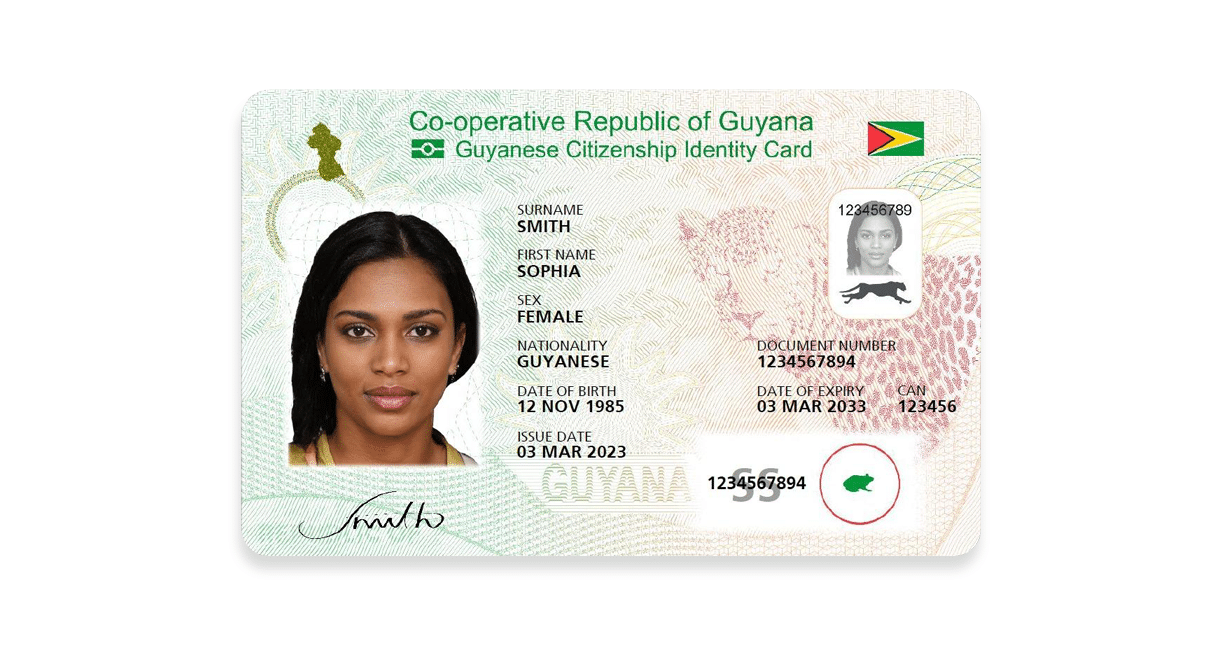
Guyana’s Data Protection Commissioner, Aneal Giddings, has clarified that the country’s national digital ID is not intended to be used as a voter card. The official made the clarification recently in an interview with local news outlet NewsRoom.
The Guyana government recently announced a nationwide digital ID rollout after the legislation framework to guide the initiative went into force at the close of March. Prime Minister Mark Phillips said at the time that the digital ID rollout is intended to streamline access to public services in the country through secure and easy authentication, facilitate identity verification for online services, and ensure document authentication through a digital signature.
For Giddings, that’s exactly why the ID was designed, and not to be a replacement for the voter ID card issued by the Guyana Elections Commission (GECOM). The official explained that while the digital ID is designed for access to public and private sectors, as well as for other general public identification, it is not specifically earmarked for voter verification.
“The answer is no,” Giddings told NewsRoom, when asked if citizens could use the new digital ID to vote in upcoming elections in Guyana. “You cannot use this card to vote at any elections, whether it’s local or general and regional. The introduction of the digital identity card is not a replacement for your GECOM ID card,” he said.
“As a matter of fact, I would encourage people to ensure that they get registered with GECOM, update their cards when they need to, but also to get their digital identity card. The two cards serve different purposes. It is very important that you get both,” he advised.
As the next local elections approach in the country, Giddings advised all potential voters to make sure they register with GECOM, and also endeavor to register for the national digital ID.
“Coming to the digital identity card registry and getting a digital identity card will not enable you to vote at an election. Simply put, this card is not intended, nor do I believe it will ever replace GECOM’s ID card. The reason is that we are two separate agencies, created for completely different purposes,” the Data Protection Commissioner asserted.
Before the nationwide launch of Guyana’s digital ID, biometric enrollment had begun, with almost 5,000 registrations reported in January.
The RAM shortage could last years
According to Nikkei Asia, even as suppliers ramp up DRAM production, manufacturers are only expected to meet 60 percent of demand by the end of 2027. SK Group chairman has even said that shortages could last until 2030. The world’s largest memory makers – Samsung, SK Hynix, and Micron – are all working to add […]
The AI apps are coming for your PC
Hi, friends! Welcome to Installer No. 124, your guide to the best and Verge-iest stuff in the world. (If you’re new here, welcome, send me your Coachella fits, and also you can read all the old editions at the Installer homepage.) This week, I’ve been reading about restaurant bread and GLP-1s and Lenny Rachitsky and […]
Babies Born from Dead Parents Will Increase with New Tech. Are We Ready?
Reproductive technologies have enabled children to be posthumously conceived from the frozen eggs and sperm of deceased parents, raising legal, ethical, and practical questions.


