


Category: Brain
Tubulin May Prevent Against Alzheimer’s and Parkinson’s

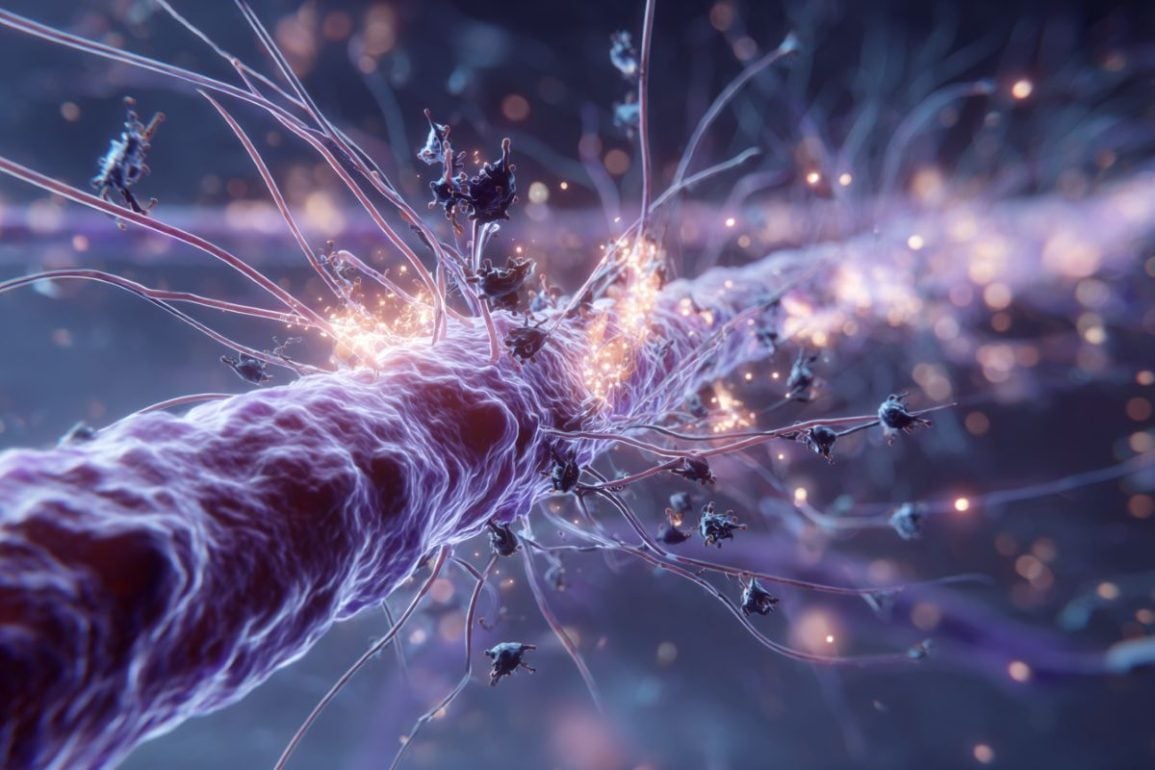 Scientists discover that tubulin prevents brain disease by steering “troublemaker” proteins back to their healthy, productive roles.
Brain’s Parenting Hub Redirects Care Toward Peers

 New research reveals that our drive to help others is powered by the same brain circuits used for parenting.
Brain’s Body Image Misjudges Robotic Limbs

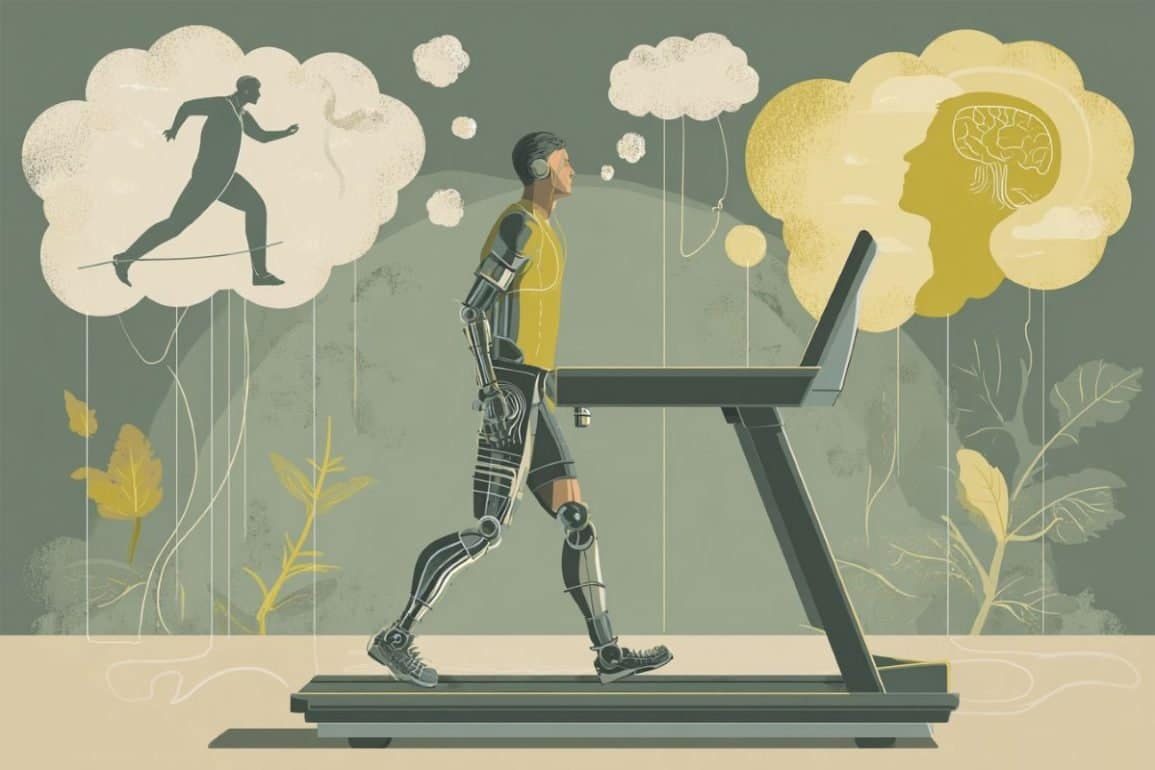 Researchers find that people using robotic prosthetics consistently misjudge their own movement, shifting from initial awkwardness to later overconfidence.
Brain Swelling Reveals Alzheimer’s Treatment Success

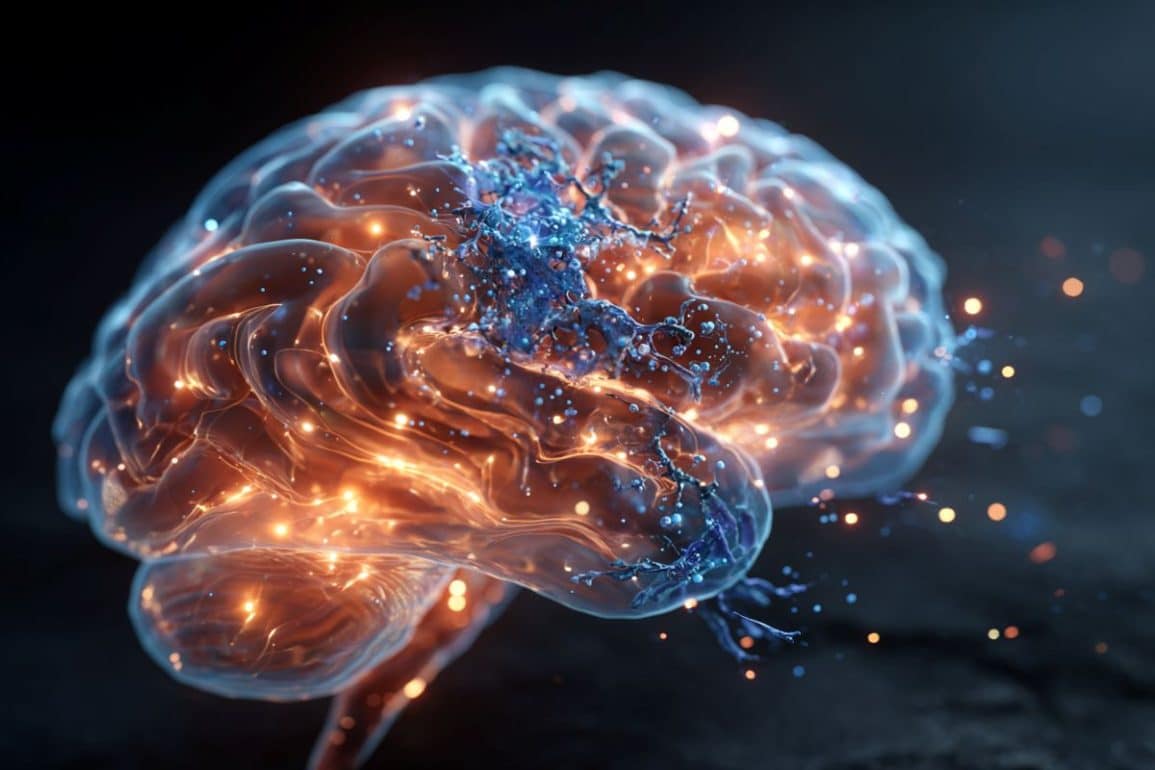 It’s the side effect every Alzheimer’s patient fears, but it might actually be a sign of success. New research shows brain swelling is tied to better plaque clearance.
Brain’s Developmental Switch May Shape Lifelong Obesity Risk

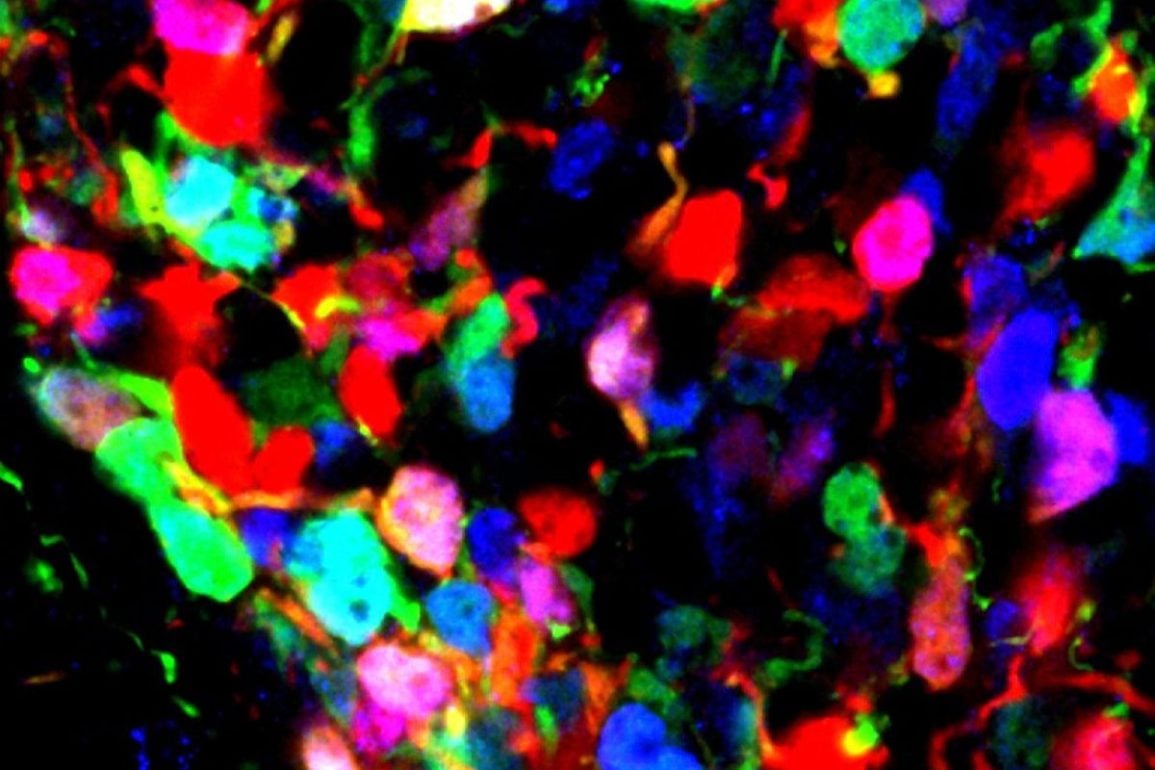 Is your weight gain pre-programmed? Scientists have discovered a developmental “fate-switch” in the brain that decides if you’ll be driven by hunger or fullness.


